Food
At the table
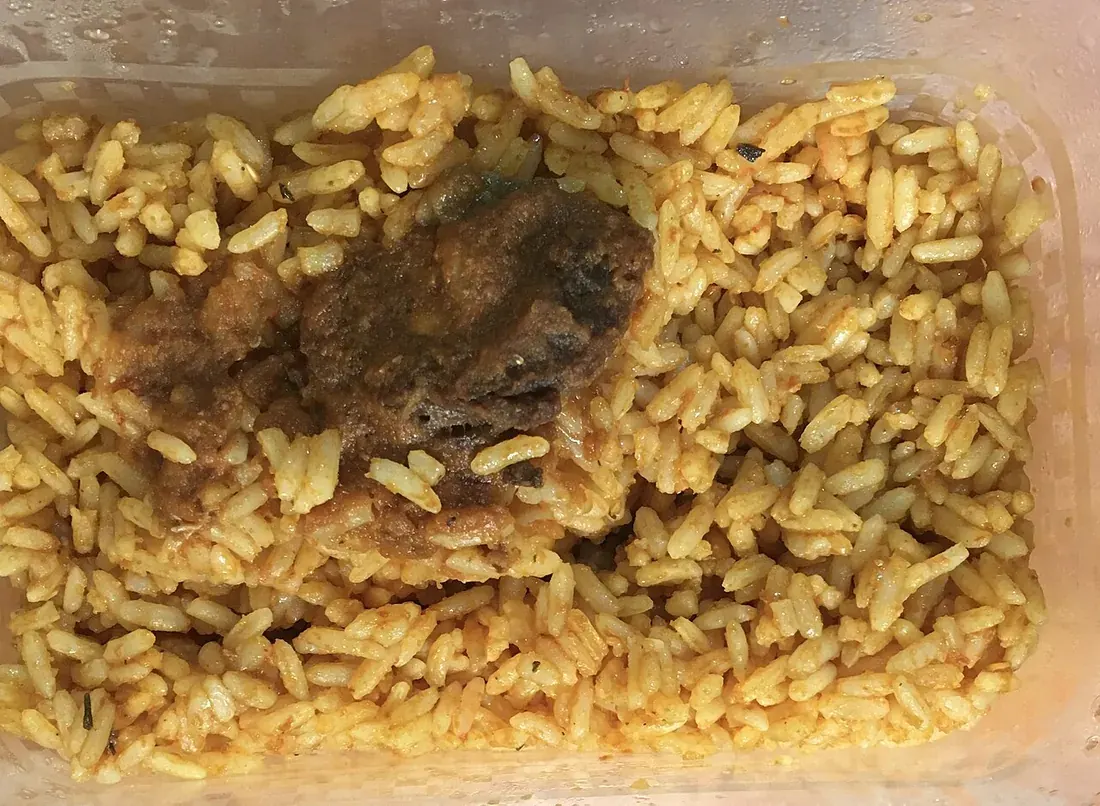
Jollof rice appears across West Africa. Nigerian versions connect a shared dish with local taste and identity.
Food, festivals, art and contemporary life.
Jollof rice appears across West Africa. Nigerian versions connect a shared dish with local taste and identity.
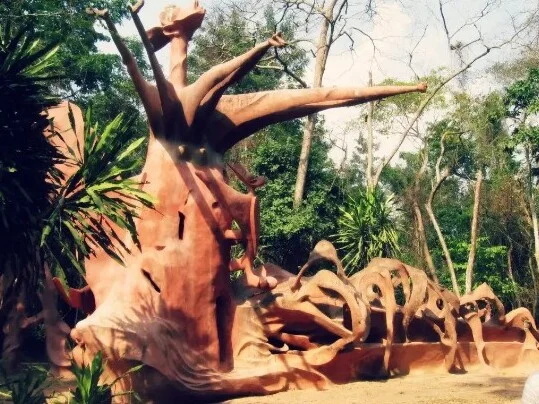
On the banks of the Osun River, a sacred grove brings together Yoruba religious practice, forest, shrines and sculpture. UNESCO inscribed the site in 2005.
The grove remains a place of worship and an annual festival. Twentieth-century artists helped restore it, showing how a living tradition can also change.
UNESCO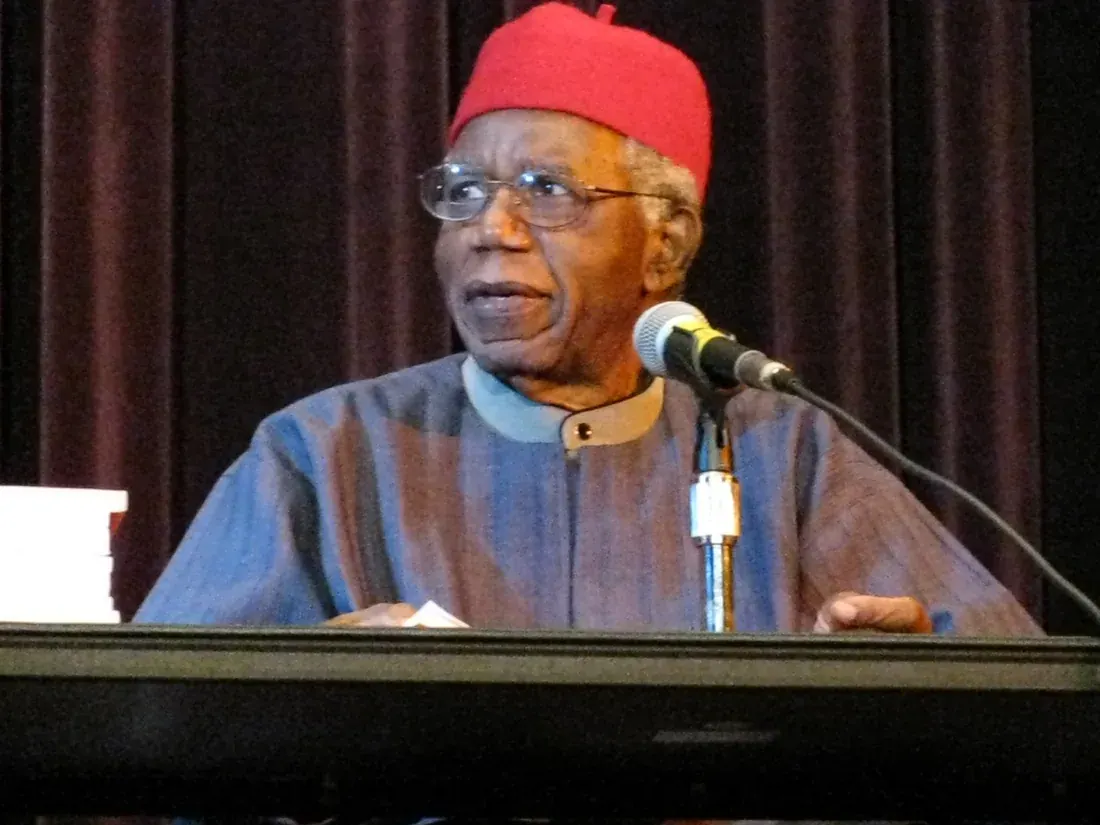
Chinua Achebe’s Things Fall Apart, first published in 1958, placed an African community’s experience of colonial change at the center of an internationally read novel.
Wole Soyinka received the Nobel Prize in Literature in 1986. Nigerian literature explores society, power and historical change.
Encyclopaedia Britannica · Nobel Prize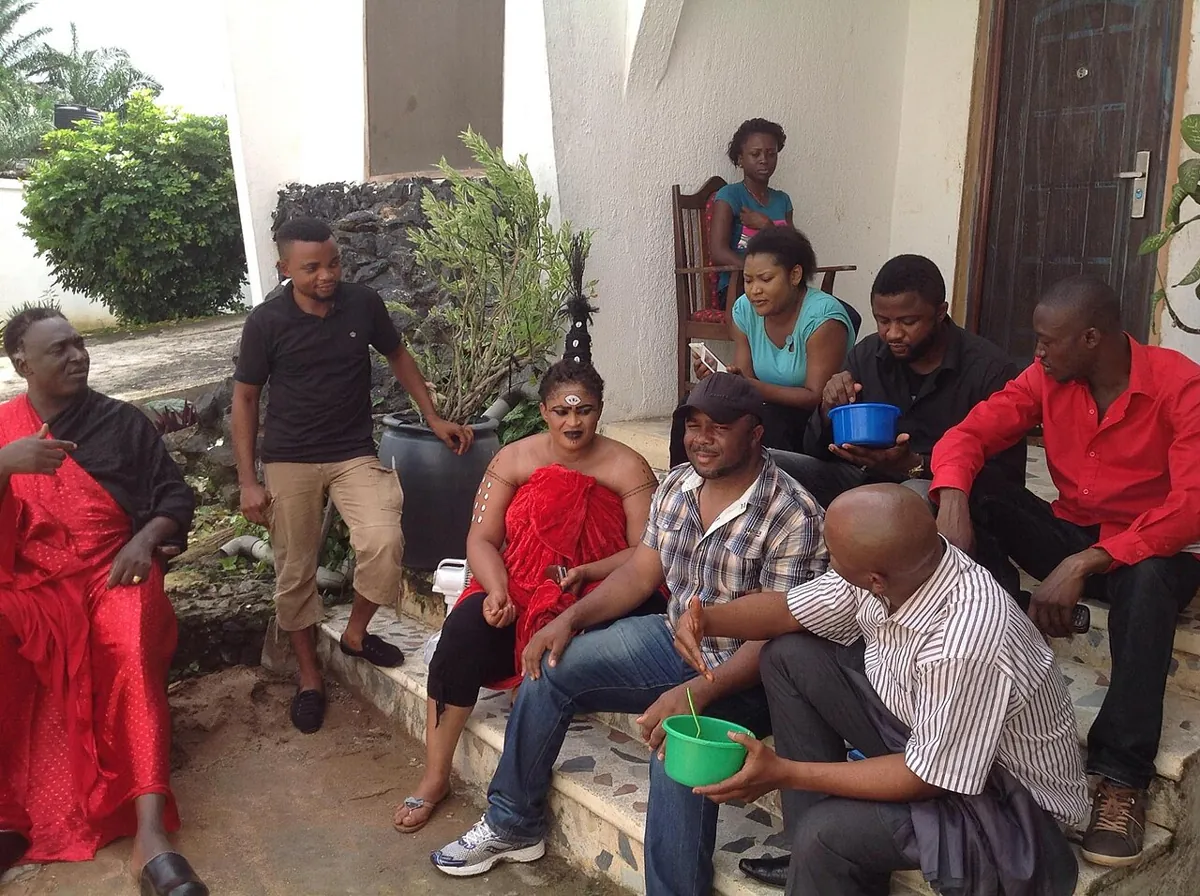
Nollywood is the widely used name for Nigeria’s film industry. UNESCO’s 2021 industry report describes how accessible digital production and distribution enabled its growth.
Film and music create shared references across communities and carry Nigerian culture to international audiences.
Klaassen, Linda, and Mila Ibrahimova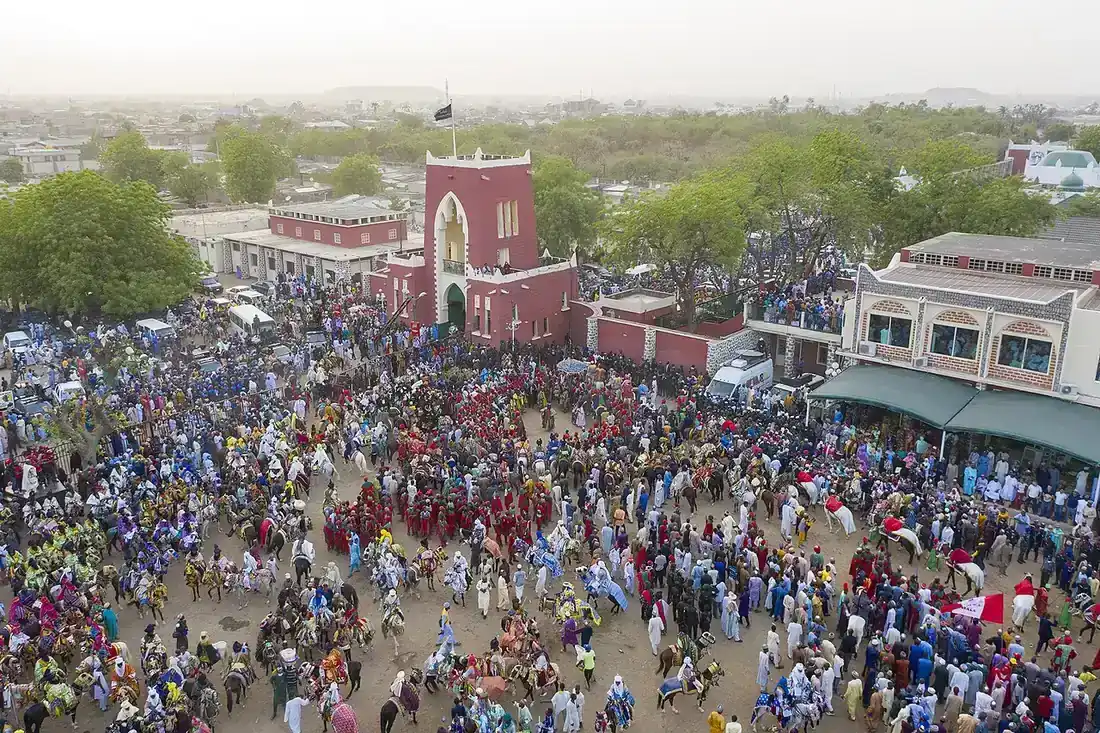
Durbar processions in Kano mark Eid celebrations and bring the Emir, horse riders, craftspeople and spectators into public space. Knowledge is passed on through practice in skills such as riding, embroidery and leatherwork.
UNESCO added Durbar in Kano to its Representative List of the Intangible Cultural Heritage of Humanity in 2024.
UNESCO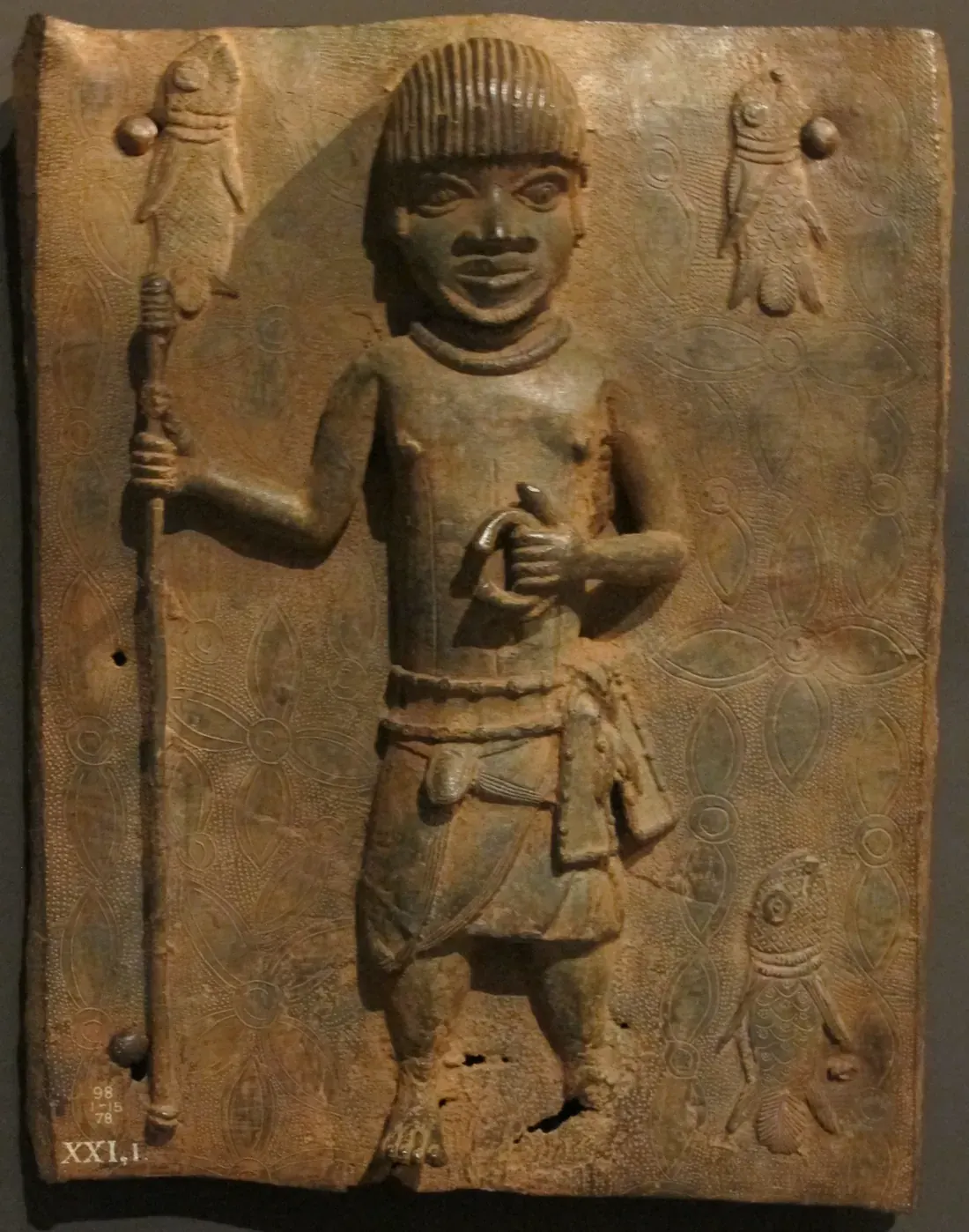
Metal plaques from the Kingdom of Benin depict court life and authority. Many works were taken during the British invasion of Benin City in 1897 and dispersed to museums.
This plaque dates to about 1500–1700 and was displayed at the V&A in London on loan from the British Museum.
The Metropolitan Museum of Art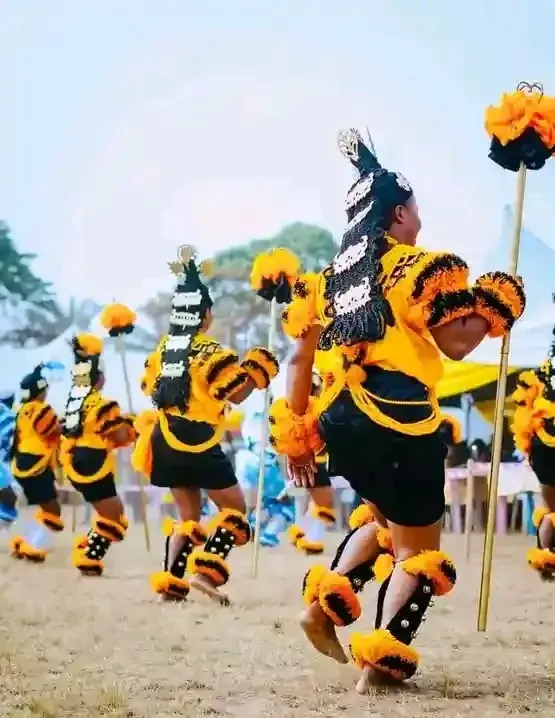
Ibibio dancers bring music, dress and movement together in a community festival. Performance carries traditions across generations and into new settings.
Nigerian musical and film cultures also travel internationally. UNESCO’s account of cultural agreements records exchanges of musicians, filmmakers and other cultural professionals.
Nigeria’s musical traditions include Afrobeat, associated with Fela Kuti, and contemporary Afrobeats.
Federal Ministry of Information and Culture, via UNESCO · Federal Ministry of Art, Culture, Tourism and the Creative Economy