Kano
Grain markets connect farming to trade
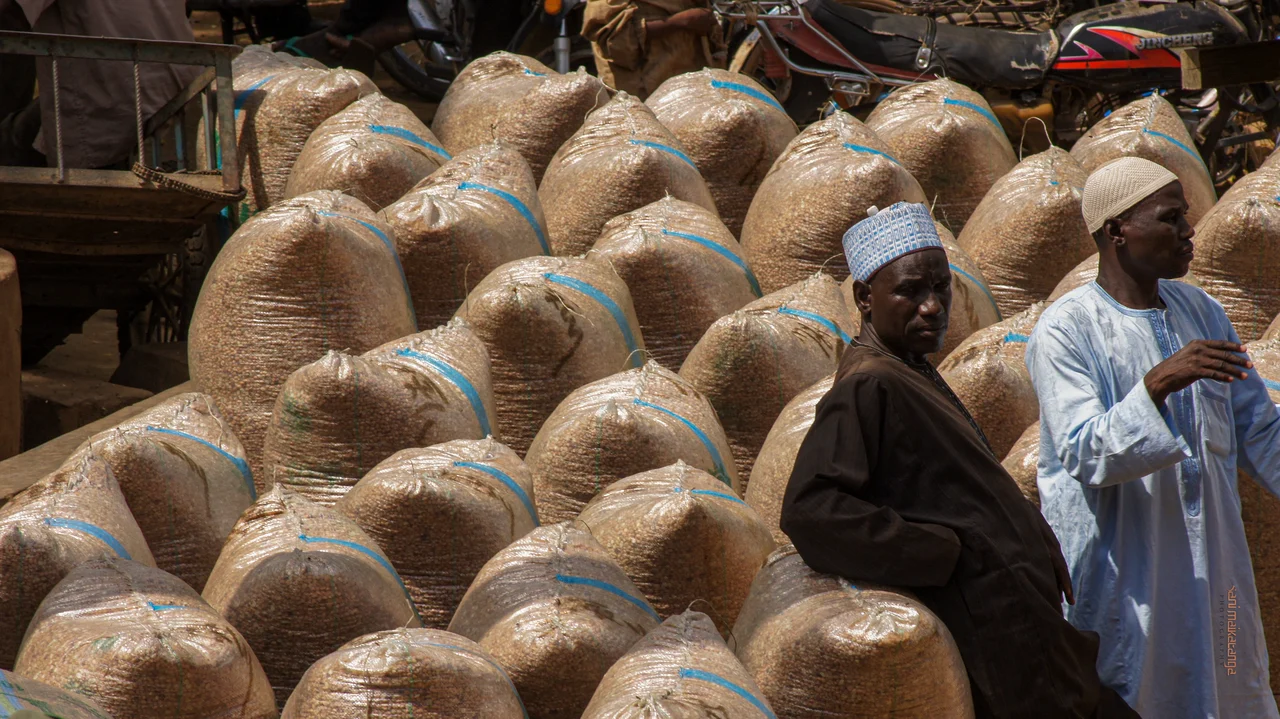
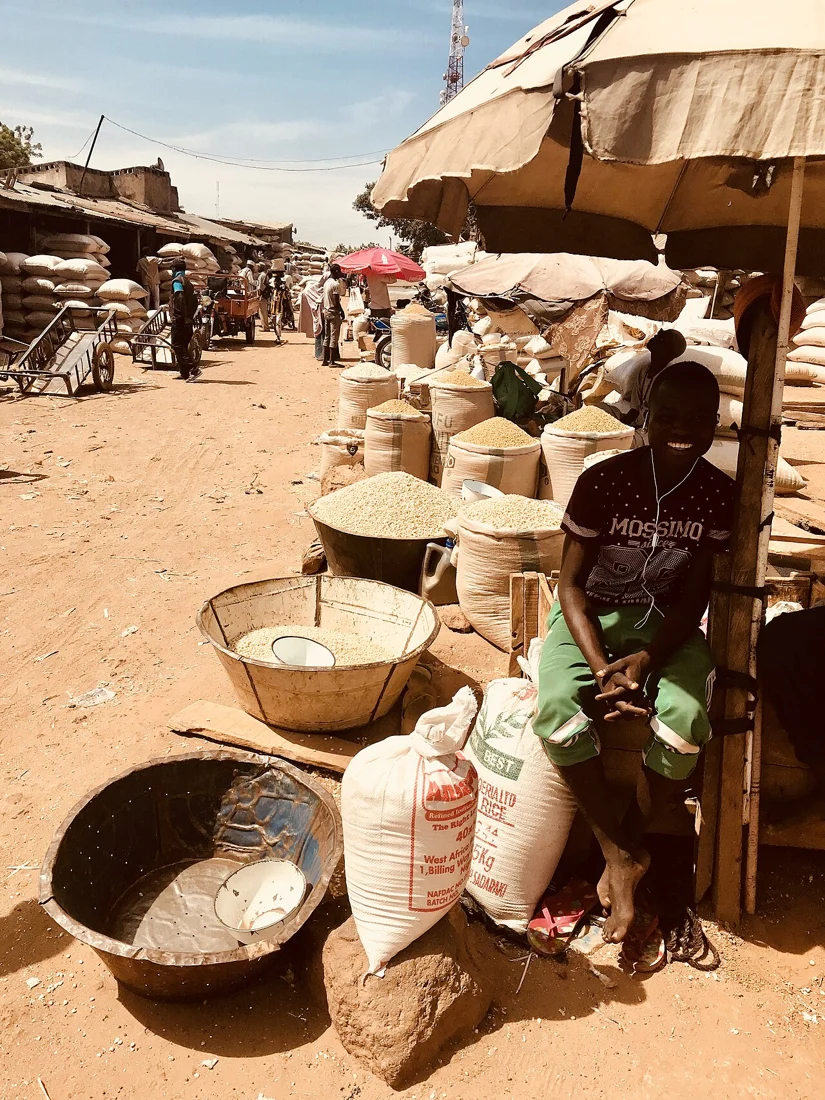
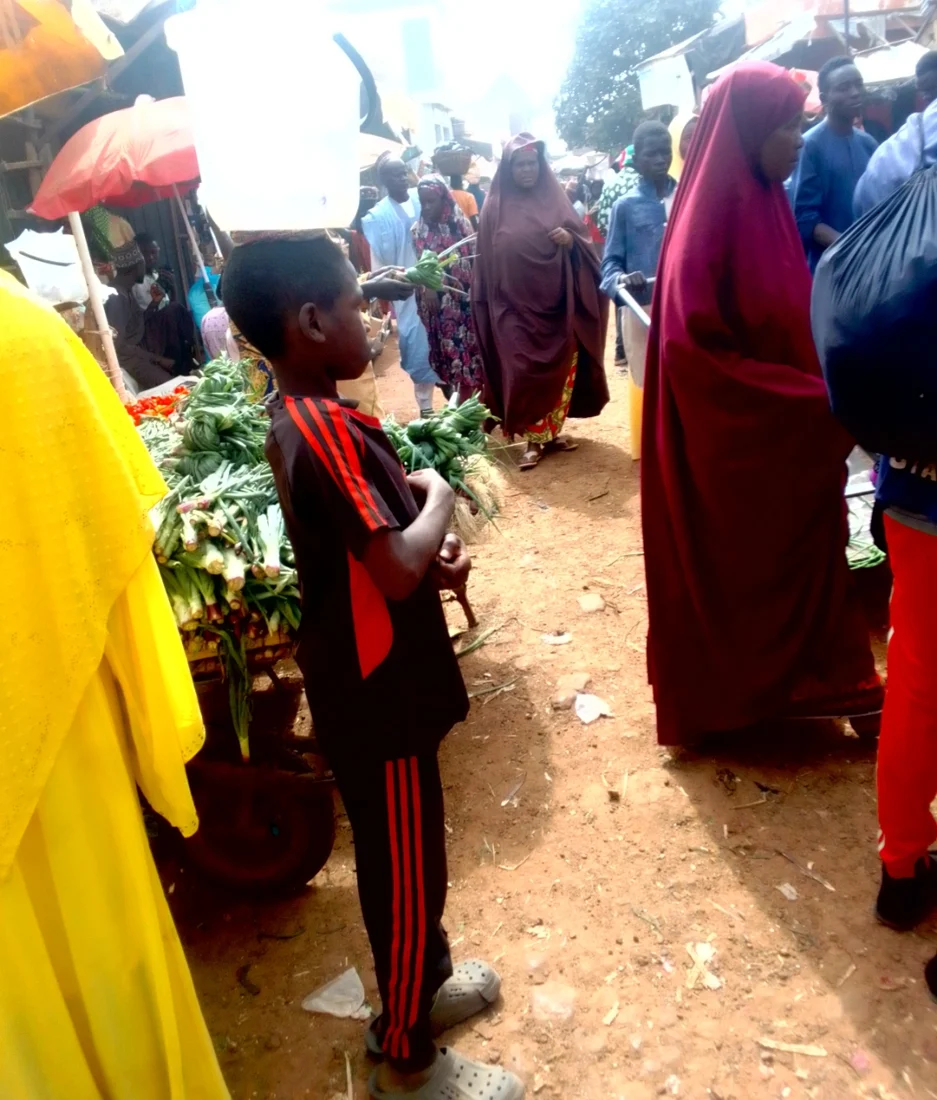
Dawanau is a grain-trading centre in Kano. Grain storage, transport and trading support livelihoods across the north.
Agriculture, industry, trade and living standards.
Dawanau is a grain-trading centre in Kano. Grain storage, transport and trading support livelihoods across the north.
Cassava is one example of the crops linking land, work and local food markets.
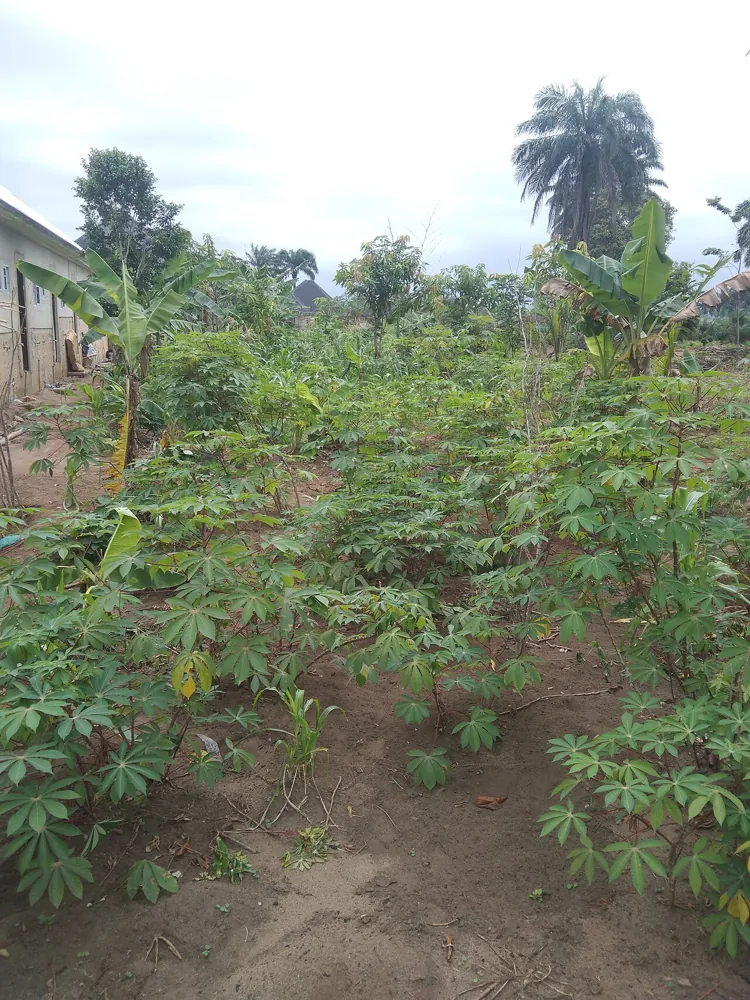
Cassava farming in Akwa Ibom is one example of agriculture’s role in Nigerian livelihoods.
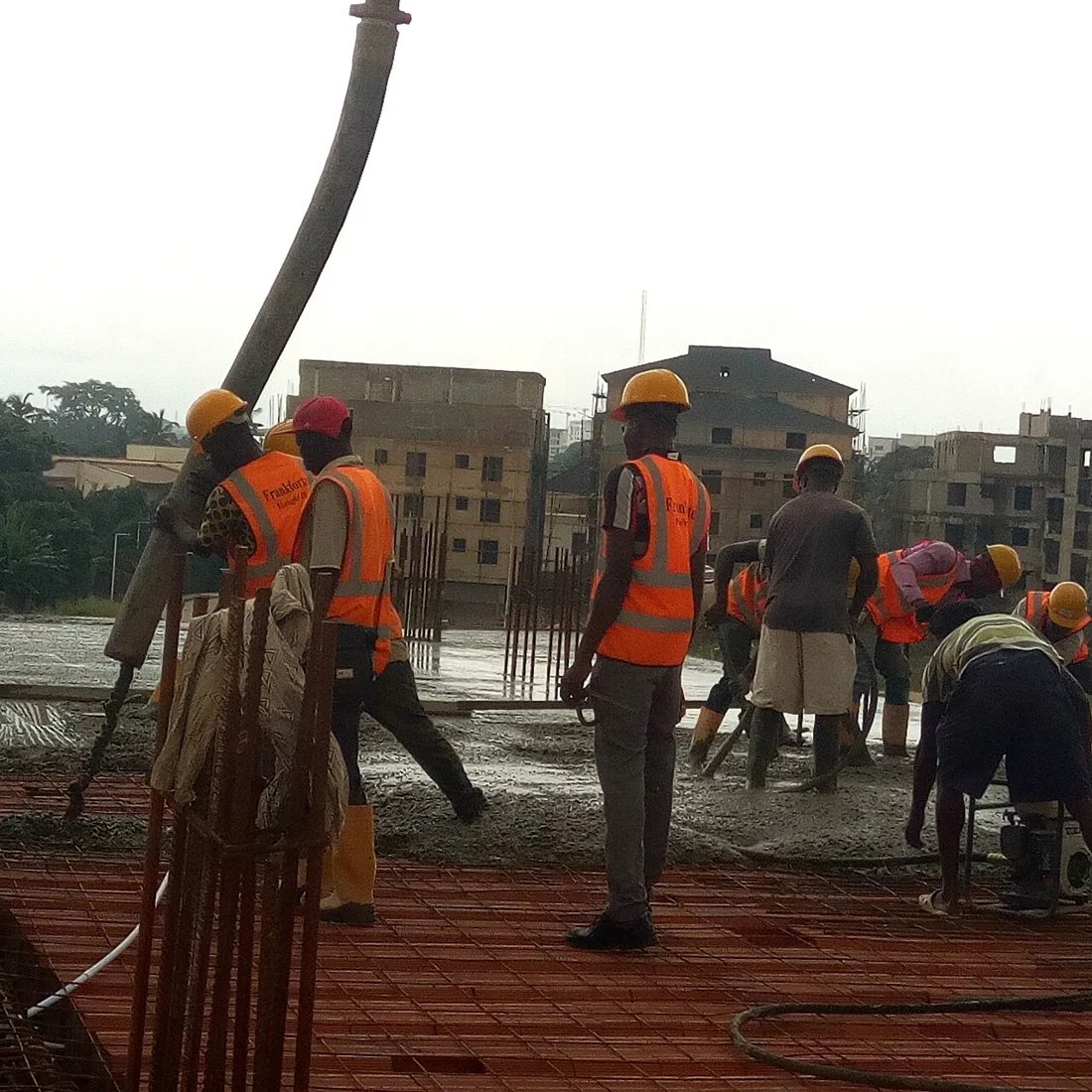
Farming, trade, manufacturing, services and petroleum contribute to Nigeria’s economy.
GDP measures production, export receipts measure earnings from overseas sales, and government revenue funds public spending.
World BankPorts and road connections move goods between producers, consumers and overseas markets.
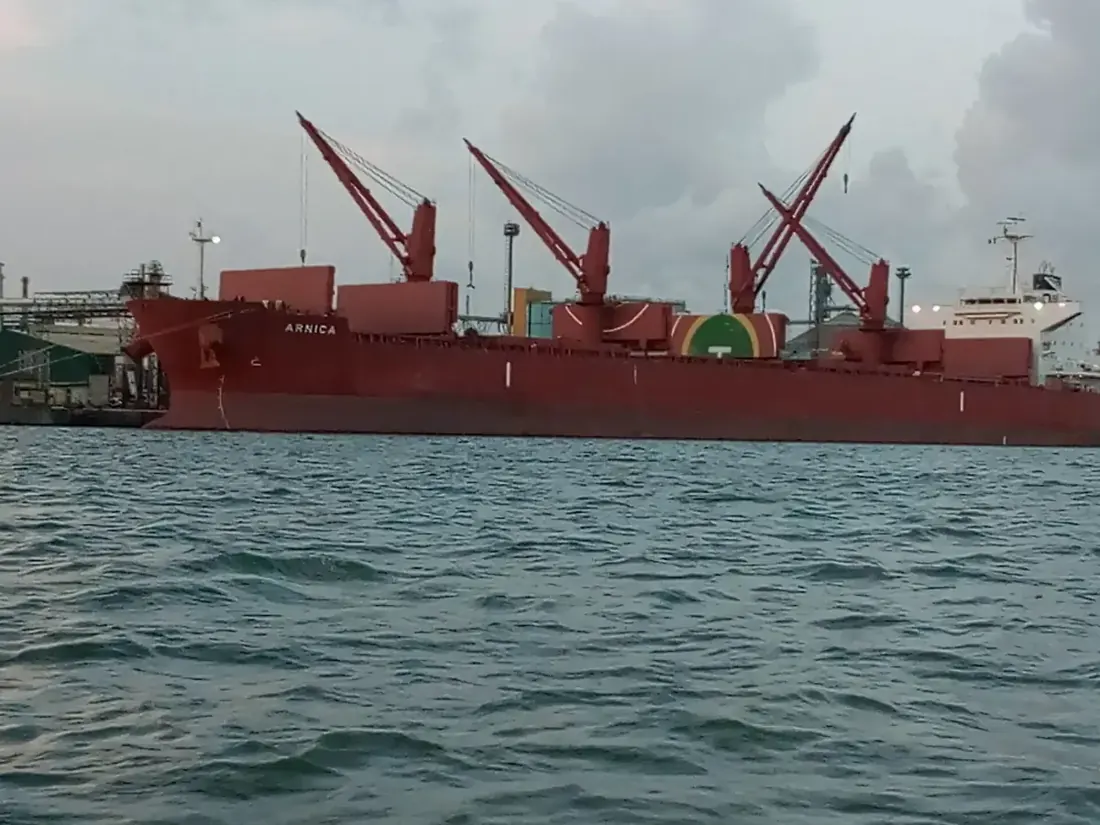
Apapa Port in Lagos connects producers and consumers to domestic and international markets.
Production must reach buyers through transport, storage and trade networks. Infrastructure and reliable services affect that access; different industries use different routes.
World BankPetroleum connects extraction, industrial processing and export revenue.
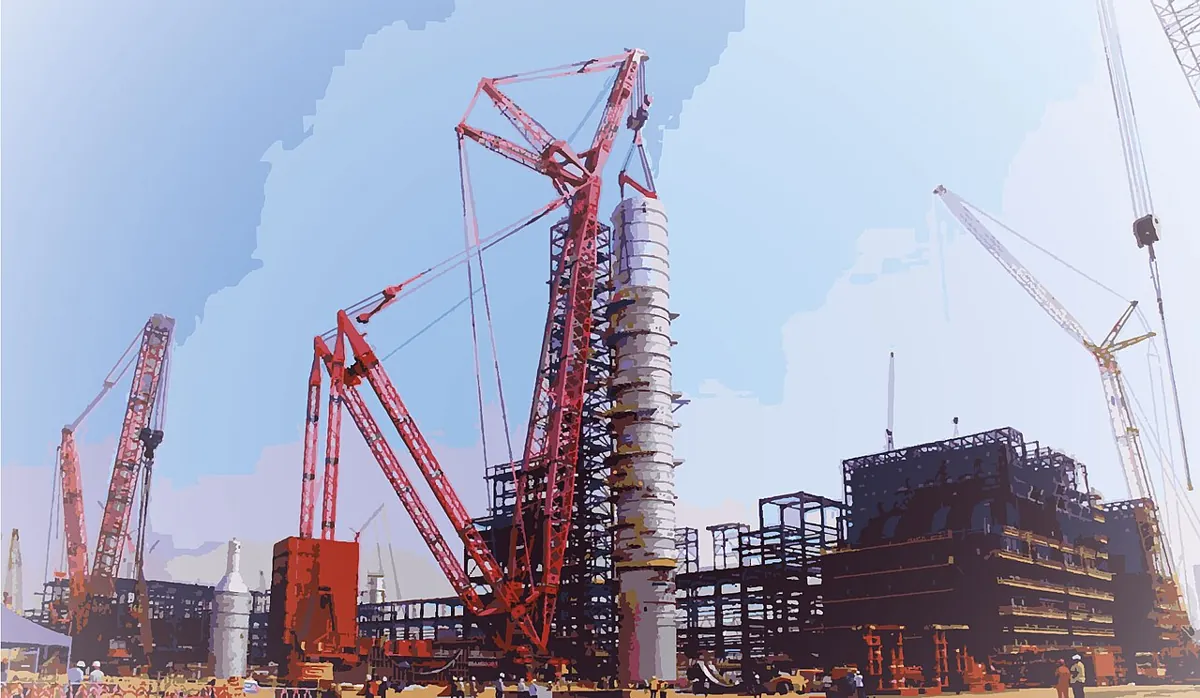
Nigeria joined OPEC on 12 July 1971. Petroleum connects the economy to international prices and demand.
Dependence on petroleum receipts exposes government budgets to changes in international oil prices.
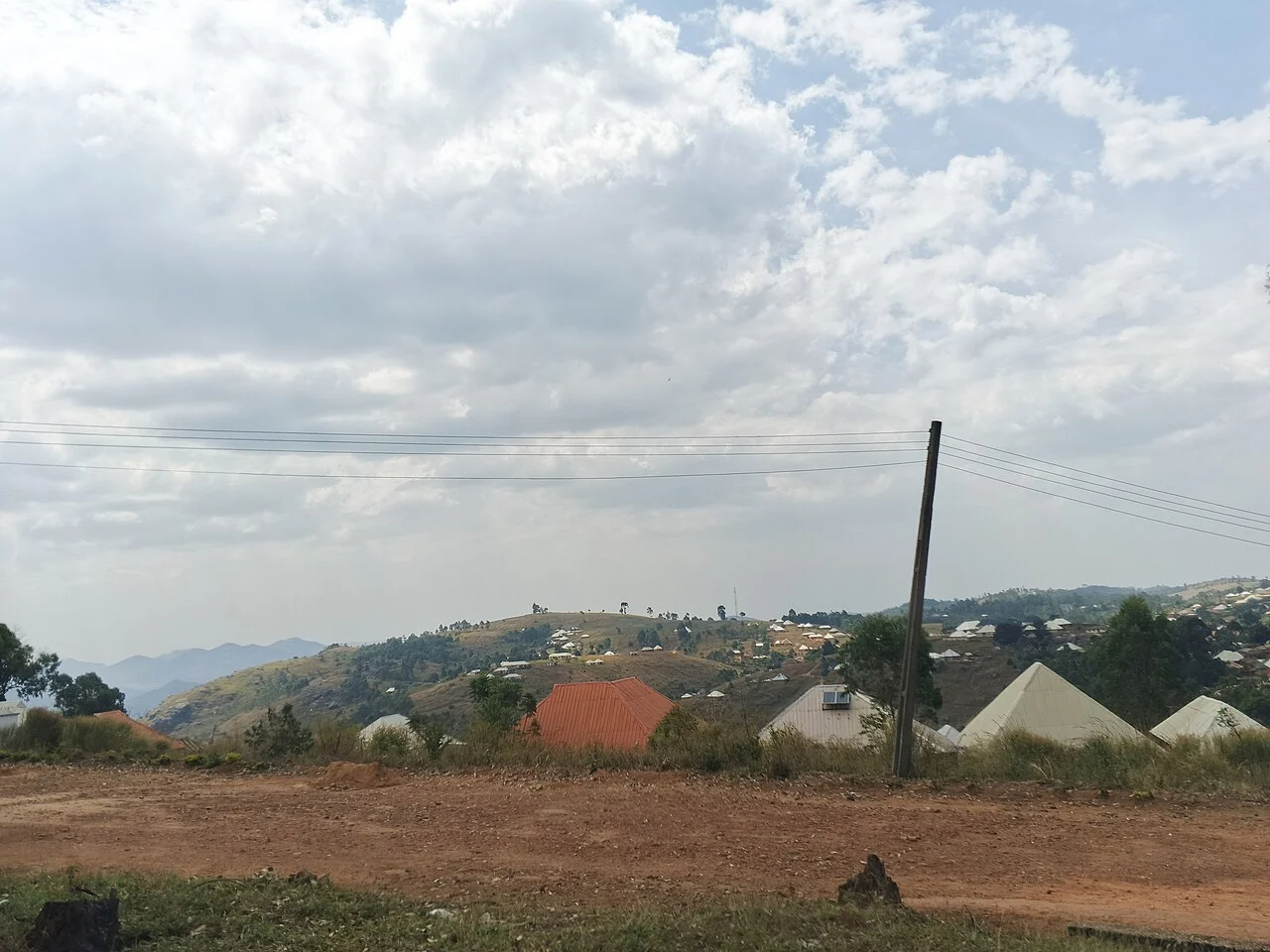
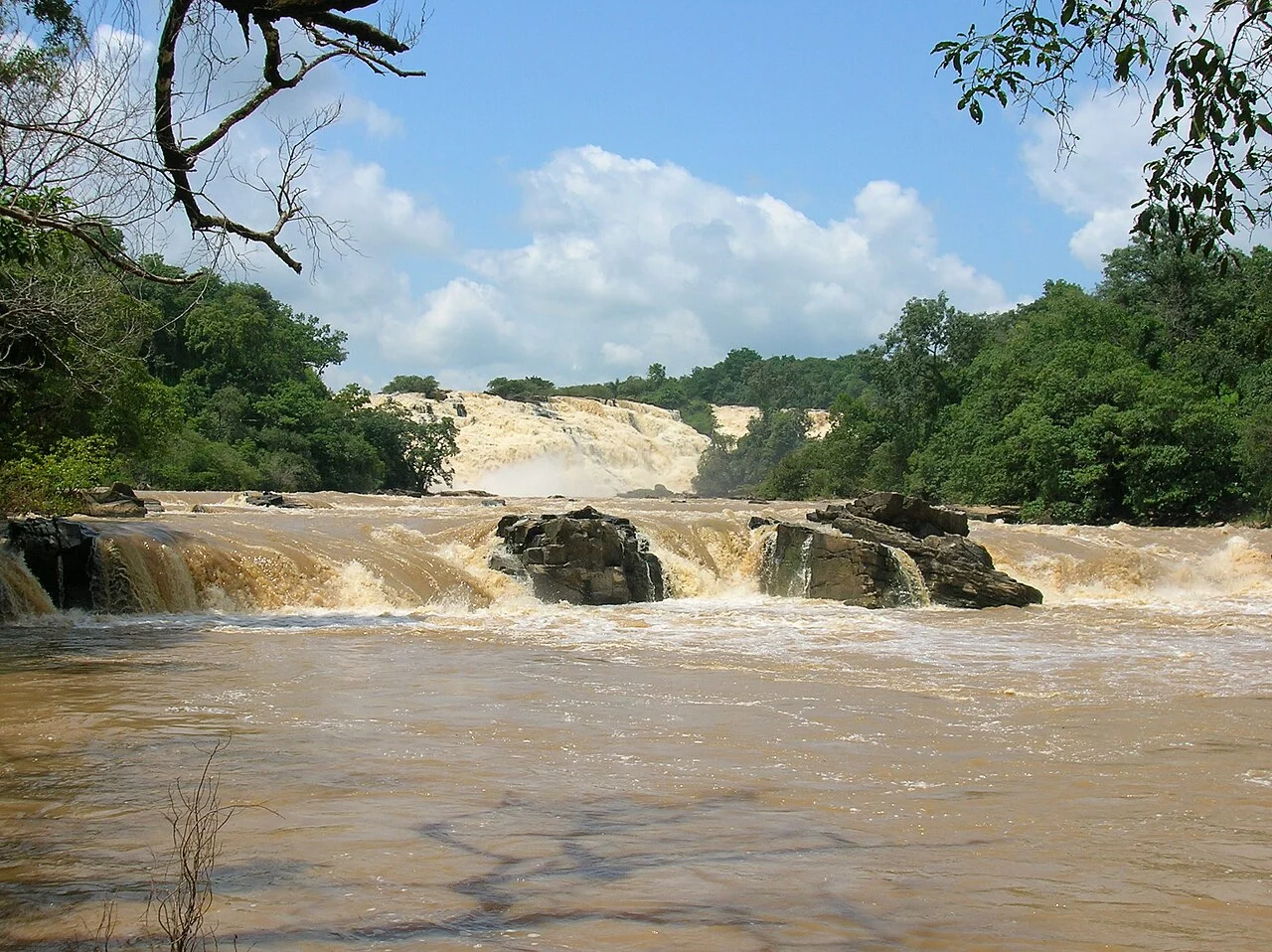
Organization of the Petroleum Exporting CountriesThe Mambilla Plateau and Gurara Falls show inland landscapes beyond the southern coastal belt.
 2025290.79US$ billionGDP at current prices
The value of goods and services produced in a year.
 20254%% annual changeReal GDP growth
How much inflation-adjusted output changed over the year.
 202523%% annual changeConsumer-price inflation
How quickly the consumer-price level rose over the year.
Nigeria’s currency is the naira (₦).
Central Bank of NigeriaGDP growth and household living standards are related, but they measure different things.
The October 2025 Nigeria Development Update distinguishes macroeconomic stabilization from improvements in everyday living standards. Rising prices and unequal access to opportunity remain central policy concerns.
In 2022, 41.8% of the population lived below US$3.00 per day, measured at 2021 purchasing-power parity.
World Bank · World BankUNEP’s Ogoniland assessment documents damage to land and water and the scale of restoration required.
UNEP’s 2011 assessment of Ogoniland examined oil contamination and the work needed for environmental restoration. Ogoniland is a specific area within the wider Niger Delta.
UNEP